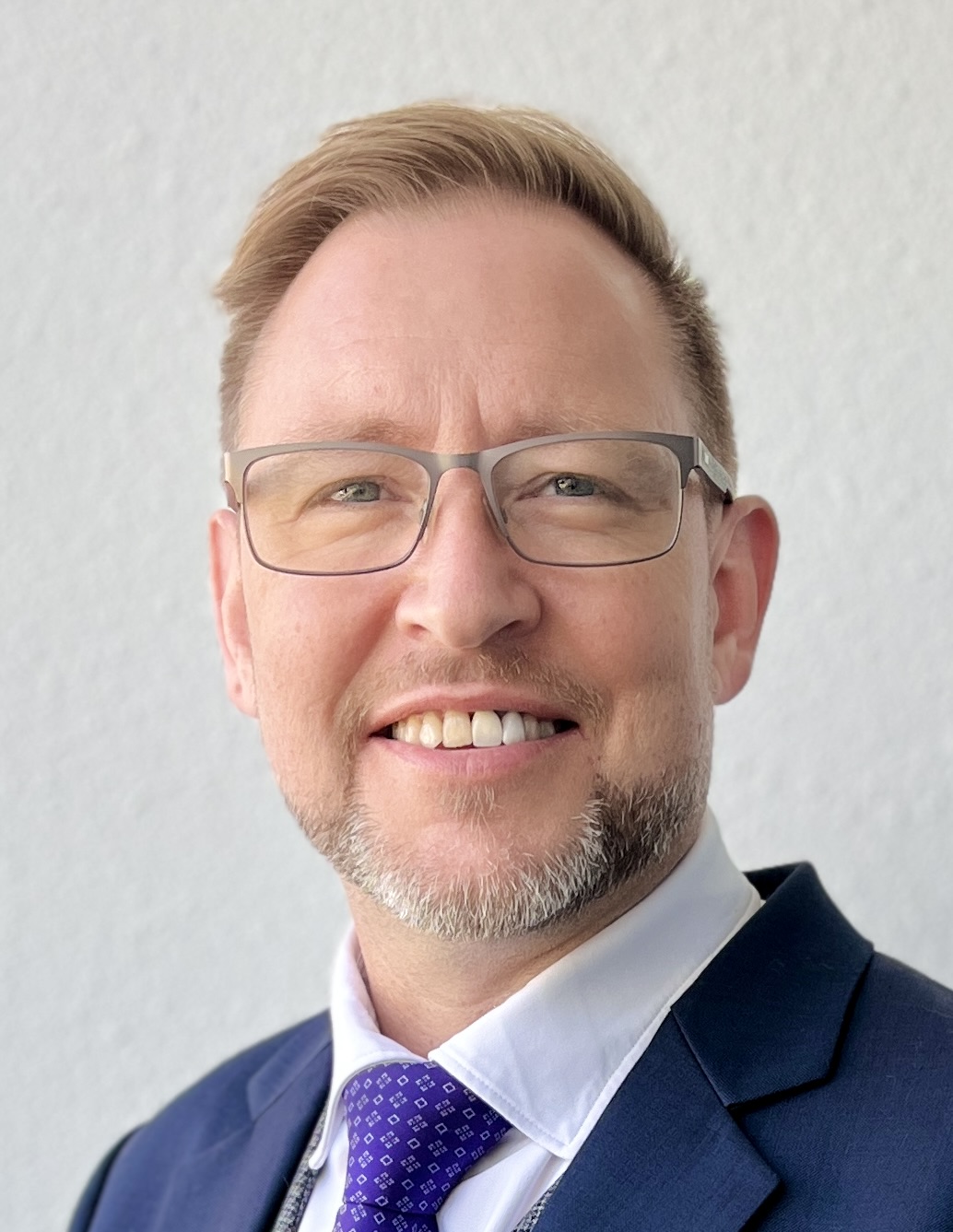
Alf Collett
Founder of the Meta-Maths Method. Twenty-five years teaching primary maths, in the UK and internationally.
I loved maths until somebody handed me the rules
I was good at maths as a small child, and I liked it. Then the rules and procedures arrived, long lists of steps to be memorised with nobody explaining where any of them came from, and maths stopped making sense to me.
I did what most children do in that position. I followed the steps, hoped they would work, and quietly concluded that I was not really a maths person after all.
What changed it was training to teach. Maths was my specialism, and for the first time I went looking properly, reading well beyond what the course required, into how children actually learn mathematics and why particular methods work. I have never really stopped.
What I found was that there had never been only one method. The closer I got to the structure underneath maths, the relationships between the ideas and the logic holding them together, the better I became at it. Not because I had memorised more, but because I finally understood what I was looking at.
I have carried one belief out of that ever since. Anyone can succeed in maths, given the right foundations and the right direction.
- Experience
- Over 25 years teaching in primary schools
- Qualifications
- UK trained with maths as my specialism, and a master's in educational leadership
- Where
- Classrooms in the UK and internationally
- Based
- Dubai, teaching families across the UAE and beyond
What came next
Twenty-five years of testing that one idea
I graduated in the UK and went on to complete a master's in educational leadership there. Since then I have spent more than twenty-five years teaching in primary schools, in the UK and internationally.
As the mastery approach to maths became more widespread, I grew more certain rather than less, because I was watching it happen in front of me. Children who had decided they were bad at maths turned out, almost every time, to be children who had been handed procedures without ever being shown the structure. Give them the structure and the picture changes, often faster than anyone expects.
The Meta-Maths Method is that idea built into a programme. Curriculum coherence, explicit metacognition, real mathematical discussion, and confidence built on purpose rather than hoped for.
I still read widely in maths education, and the programme carries obvious debts to Craig Barton, Jo Boaler, White Rose and Claire Gadsby. It will keep changing as I read more, which I think is the correct arrangement.
What I want for your child
Not a better score. A child who looks at a problem they have never seen before and has a go at it, because they have strategies, they know that being stuck is a normal part of thinking, and they no longer believe that getting something wrong is the end of the matter.
The scores follow. In my experience they nearly always do. But they are the by-product rather than the aim, and I would rather be honest with you about that from the start.
If your child has already decided they are not a maths person, I have some sympathy. I decided the same thing at about the same age, and I was wrong.
Alf Collett, Founder
I would like to hear about your child.
Send me a few details and we will arrange a short call. No pressure at all, and no obligation to go any further.
© 2026 The Meta-Maths Method. Operated by Sharper Thinking Maths FZE. All rights reserved.